
Field Operations
Photo Documentation That Protects Your Company
2 min readJobOpsPro
Before-and-after photos on every call settle disputes, sell repairs, and prove the work was done right.
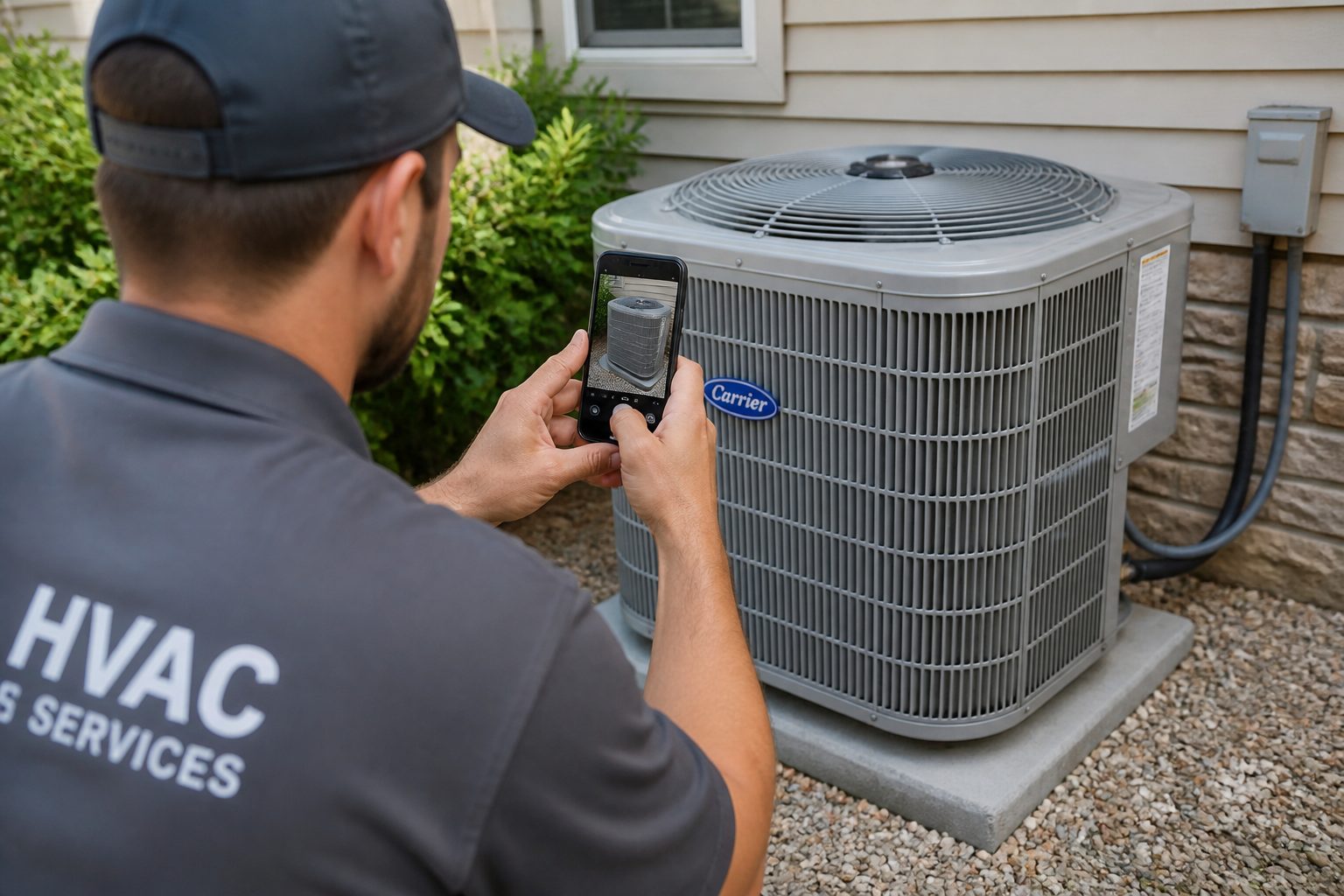
A photo taken in thirty seconds can settle a dispute that would otherwise cost a day and a callback. Field photo documentation is the cheapest insurance in residential HVAC.
What To Capture On Every Call
- The equipment data plate, model and serial, on arrival
- The condition found, including any pre-existing damage
- The failed component, close enough to read the burn or corrosion
- The completed repair and a clean work area
- Meter readings for refrigerant, static pressure, and temperature split
Why It Sells Work
Homeowners cannot see inside their furnace. A photo of a cracked heat exchanger or a rusted secondary drain pan does the persuading that a paragraph of text cannot. Attach the images to a good, better, best estimate and approval rates climb without pressure selling.
Documentation And Warranty Claims
Manufacturers ask for serials, install dates, and evidence. When photos live on the work order, a warranty claim takes minutes instead of an afternoon of phone calls to the technician who has moved on to another job.
Making It Effortless In The Field
Photo requirements fail when they add steps. In JobOpsPro the camera is part of the work order, images upload in the background, and required photo slots can be enforced on job types where documentation matters most. If signal is poor in a crawlspace, images queue and sync when the technician gets back to the truck.
The Owner Visibility Angle
Owners do not need to review every image. They need spot checks and exceptions:
- Jobs closed without required photos
- Callbacks where the original photos show the root cause
- Quality reviews on newer technicians
A Simple Standard To Start
Pick three mandatory shots: data plate, problem found, work completed. Enforce them for ninety days. Almost every contractor who does this reports fewer disputes, faster warranty processing, and better estimate close rates, and nobody wants to go back.